Cancer screening and flu vaccination rates
Compare breast, cervical and colorectal cancer screening programme rates and influenza vaccination among people aged 65+ across Europe (Eurostat data).
- Indicator
- Breast cancer screening rate (programme data, %)
- Source
- Eurostat (joint OECD/Eurostat/WHO-Europe questionnaire on non-monetary health care statistics)
- Dataset
hlth_ps_prevhlth_ps_immu- Coverage
- EU-27 member states, EFTA countries and other European countries reported by Eurostat, 2000–2025
- Latest data year
- 2025
- Retrieved
- 28 November 2026
- Licence of source data
- CC BY 4.0
What this page measures
Prevention is one of the clearest places where health-system organisation shows up in the numbers. This page brings together four measures that Eurostat publishes for most European countries:
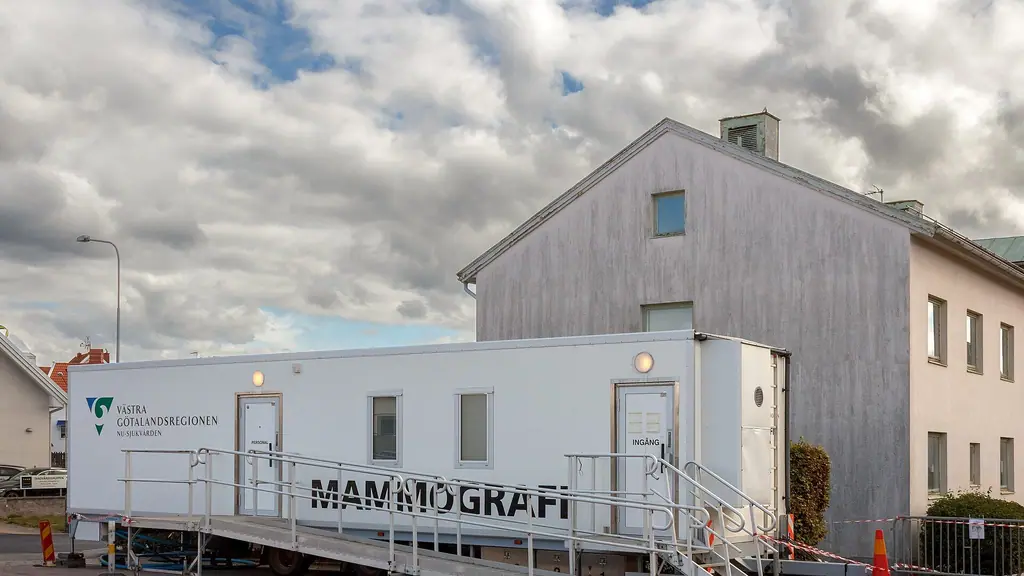
- Breast cancer screening: the share of women in the national target group screened by mammography within the programme's interval, typically women aged 50 to 69 screened every two years.
- Cervical cancer screening: the share of women in the target group screened within the programme interval, typically women aged 20 to 69 every three years, by cytology or HPV testing depending on the country.
- Colorectal cancer screening: the share of people in the target group, typically aged 50 to 74, screened within the programme interval, usually with a stool test.
- Influenza vaccination of people aged 65 and over: the share of older people vaccinated against seasonal influenza.
How the data are collected
All four come from the joint OECD, Eurostat and WHO Regional Office for Europe questionnaire on non-monetary health care statistics, completed by national authorities. The screening figures (dataset hlth_ps_prev) are programme data: they count screening carried out within organised national or regional programmes, divided by the eligible target population. Eurostat publishes a separate, older historical table and survey-based estimates from the European Health Interview Survey; neither is mixed into this page. Influenza vaccination (dataset hlth_ps_immu) comes from administrative records or surveys depending on the country.
How to read the charts
Compare countries ranks countries for one measure and year. Reporting for the most recent year is thin, so the chart defaults to the latest year in which the number of reporting countries reaches at least 70% of the best-covered year; the year list shows how many countries report each year. A dashed EU-27 line appears only where Eurostat publishes an aggregate, which it does for influenza vaccination but not for screening. Trend over time shows all four measures for one country or one measure across up to three countries. Every chart has a Show as table view, keyboard-accessible points and a CSV download.
Comparability and limitations
These are among the least comparable indicators on this site, and the flags matter. Target age groups, screening intervals and test types follow each national programme, and Eurostat marks values where the definition differs from the standard with flag d. In 2022 the EU updated its Council Recommendation on cancer screening, widening recommended age ranges and moving cervical screening towards HPV testing; as countries adapt their programmes, series may shift for reasons that have nothing to do with participation.
Programme data also miss screening done outside organised programmes. In countries where many people are screened privately or opportunistically, by their own doctor, low programme coverage does not necessarily mean low screening overall. A missing value can mean that a country has no organised programme for that cancer, that the programme is regional, or simply that data were not reported.
For influenza vaccination, the season and the reference population (for example, whether residents of care homes are counted) vary. EU countries agreed a 75% coverage target for older age groups in a 2009 Council Recommendation, which is a useful benchmark when reading the chart, though not one the data here are designed to assess formally.
Data year and retrieval
Data cover 2000 to 2025 (colorectal from 2008), with the broadest recent coverage generally a year or two behind the latest year. They were retrieved from Eurostat on 28 November 2026 and are reproduced without adjustment; missing values are shown as "no data". These are population statistics, not personal medical advice. For advice on screening or vaccination for yourself, speak to your doctor or national screening programme.
Summary for the latest year with broad coverage
Breast cancer screening (programme data, women), 2024: highest in Denmark (82.1) and lowest in Serbia (10.0) among 30 European countries with data. Unit: % of target population.
| Rank | Country | Value |
|---|---|---|
| 1 | Denmark | 82.1 |
| 2 | Sweden | 82.0 d |
| 3 | Finland | 81.6 |
| 4 | Slovenia | 77.8 |
| 5 | Norway | 76.9 |
| … | ||
| 26 | Cyprus | 29.2 |
| 27 | Liechtenstein | 29.1 |
| 28 | Hungary | 27.2 d |
| 29 | Montenegro | 26.3 |
| 30 | Serbia | 10.0 |
Source: Eurostat (European Commission), Preventive cancer screenings - programme data (hlth_ps_prev), retrieved 2026-11-28. Flags: d = definition differs (see metadata).
Influenza vaccination, people aged 65 and over, 2024: highest in Ireland (75.7) and lowest in Slovakia (11.0) among 33 European countries with data; EU (27 countries, from 2020): 45.5. Unit: % of people aged 65+.
| Rank | Country | Value |
|---|---|---|
| 1 | Ireland | 75.7 |
| 2 | Denmark | 75.6 |
| 3 | Sweden | 69.0 |
| 4 | Portugal | 67.5 |
| 5 | Spain | 67.0 |
| … | ||
| 29 | Latvia | 16.7 |
| 30 | Serbia | 14.1 d |
| 31 | Montenegro | 12.4 |
| 32 | Poland | 12.2 |
| 33 | Slovakia | 11.0 d |
| – | EU (27 countries, from 2020) | 45.5 |
Source: Eurostat (European Commission), Vaccination against influenza of population aged 65 and over (hlth_ps_immu), retrieved 2026-11-28. Flags: d = definition differs (see metadata).
Source and citation
Eurostat, Preventive cancer screenings - programme data (hlth_ps_prev), doi:10.2908/HLTH_PS_PREV, and Vaccination against influenza of population aged 65 and over (hlth_ps_immu), doi:10.2908/HLTH_PS_IMMU. Re-used under the Eurostat copyright notice (CC BY 4.0). Data file: preventive-care.json. See also vaccination coverage and our methodology page.
Download the figures (JSON) Source data licence: CC BY 4.0.
Figures are population statistics reproduced from the source named above; they are not personal medical advice. Sources revise their data, so check the original release for the latest values. See our methodology.